Seven defects nobody had seen.
Except the inspection.
These photos were taken during our inspections in French-speaking Switzerland. Nothing staged, nothing retouched apart from blurring whatever could identify a location. What they have in common: neither the owner, nor the property manager, nor the tenant knew.
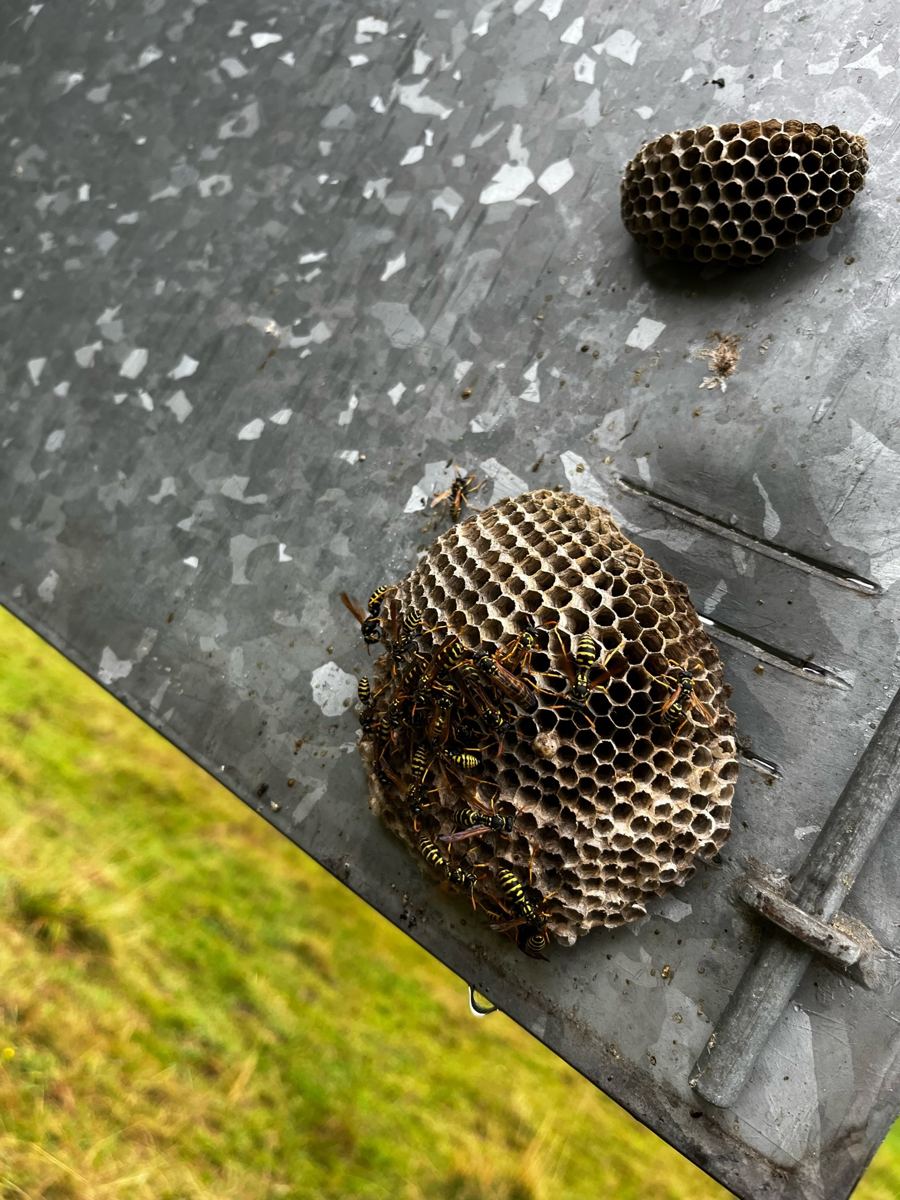
A wasp nest inside the cabinet
A cabinet nobody ever opens becomes a shelter. The nest sits against the equipment, exactly where someone will have to work the day something fails.
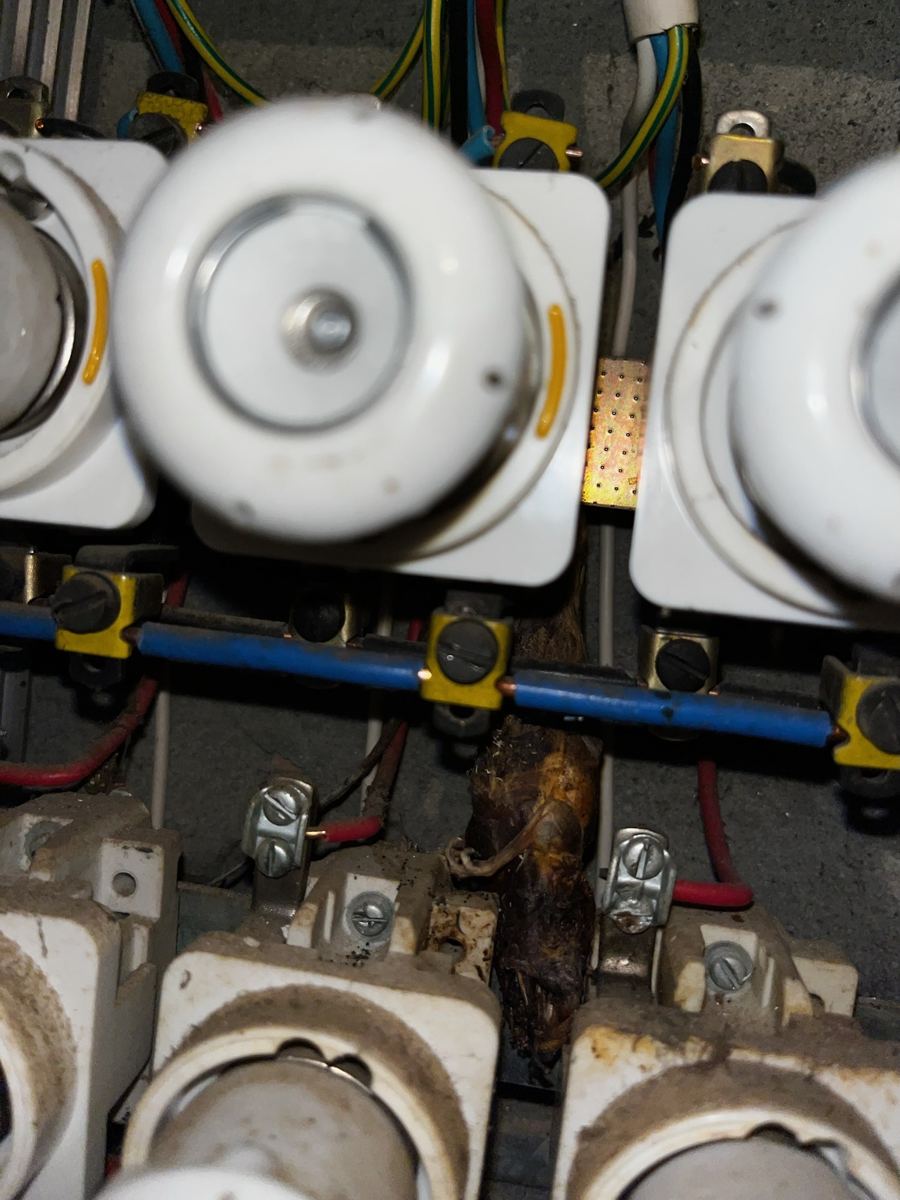
A dried-out rodent between the fuses
A board open to pests is a short-circuit and fire risk. The defect was invisible as long as the cover stayed on.
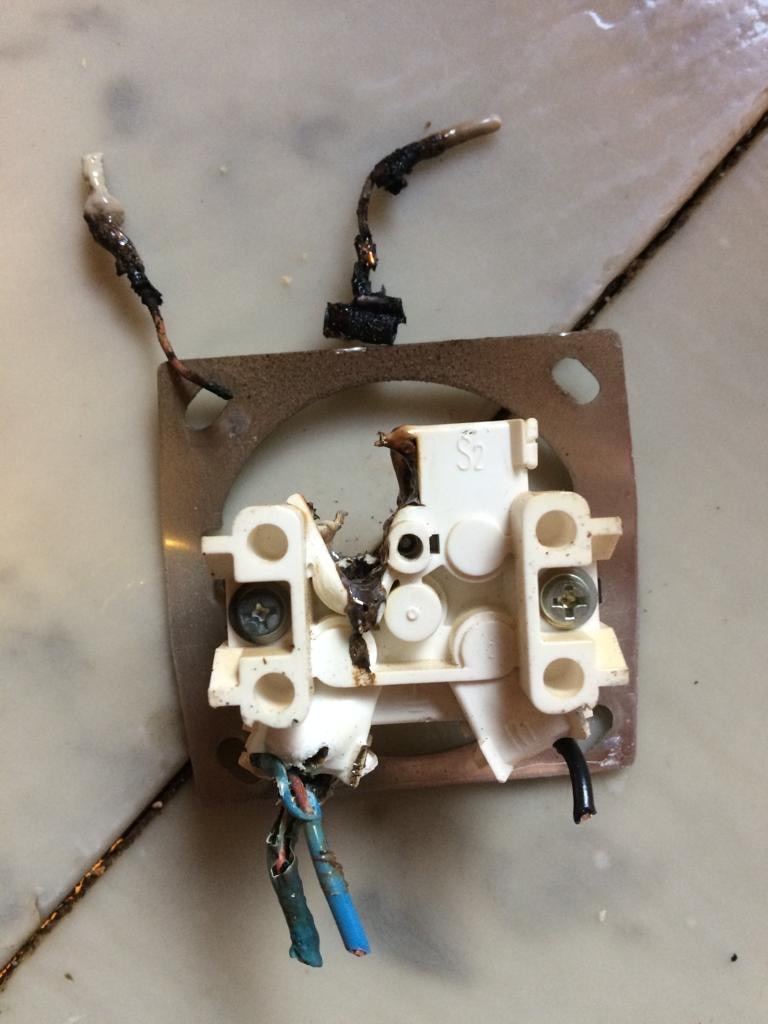
A socket that overheated until it melted
Overheating gives no warning. The conductors are charred, the mechanism has melted: without an inspection, you find out by the smell, or too late.
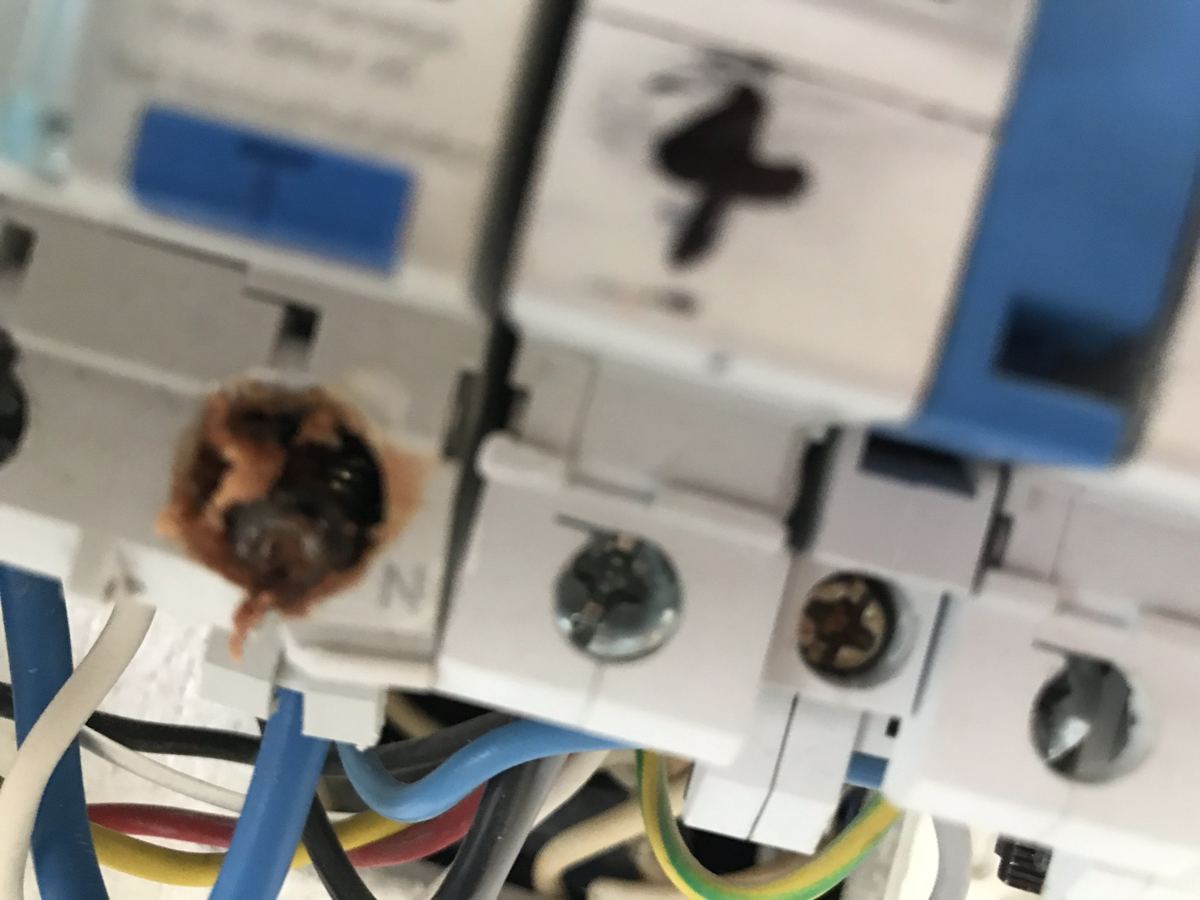
A burnt circuit-breaker terminal
Inside the board, a poor contact heats up silently behind the cover. The terminal is destroyed while the breaker next to it looks intact.
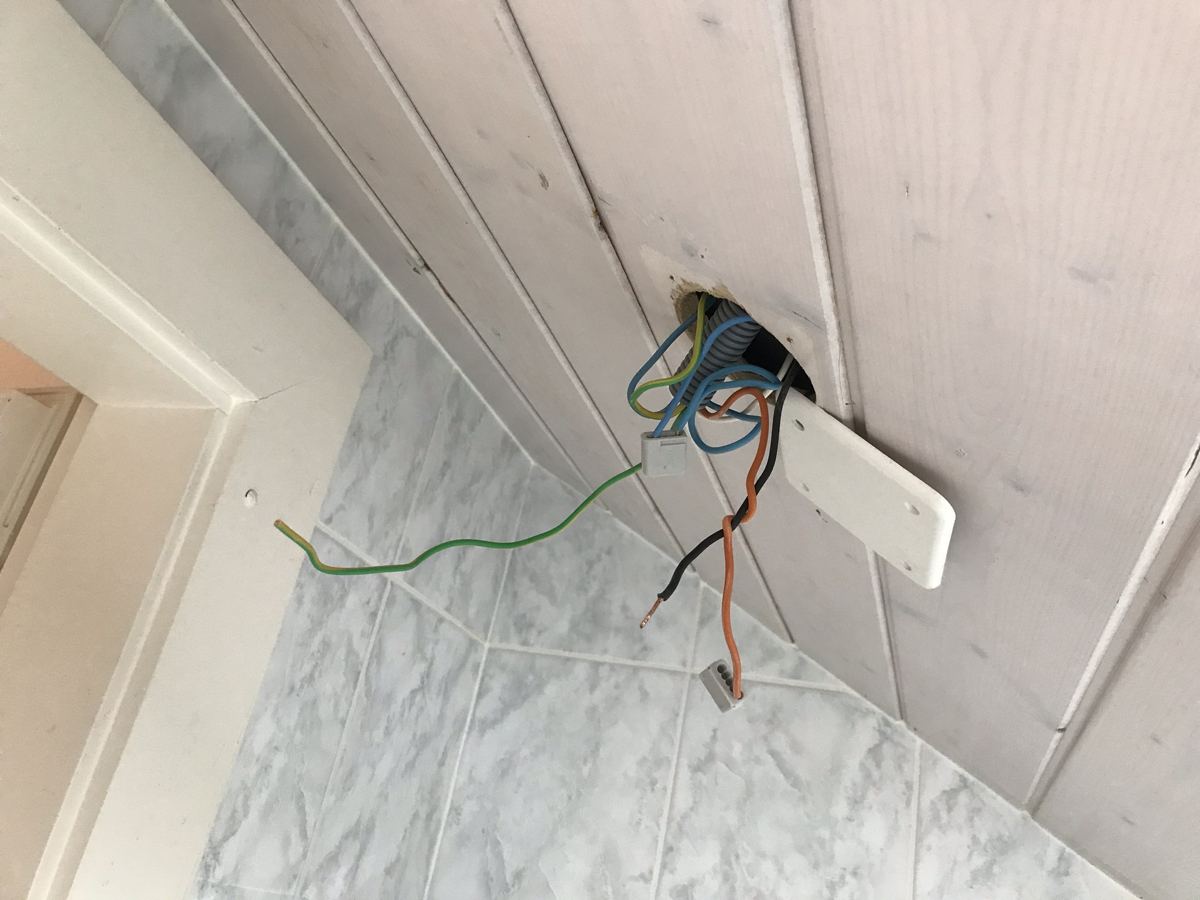
Bare conductors within reach
Damp room, accessible wires: the risk of electric shock is direct. This is one of the defects that must be fixed before any safety report.
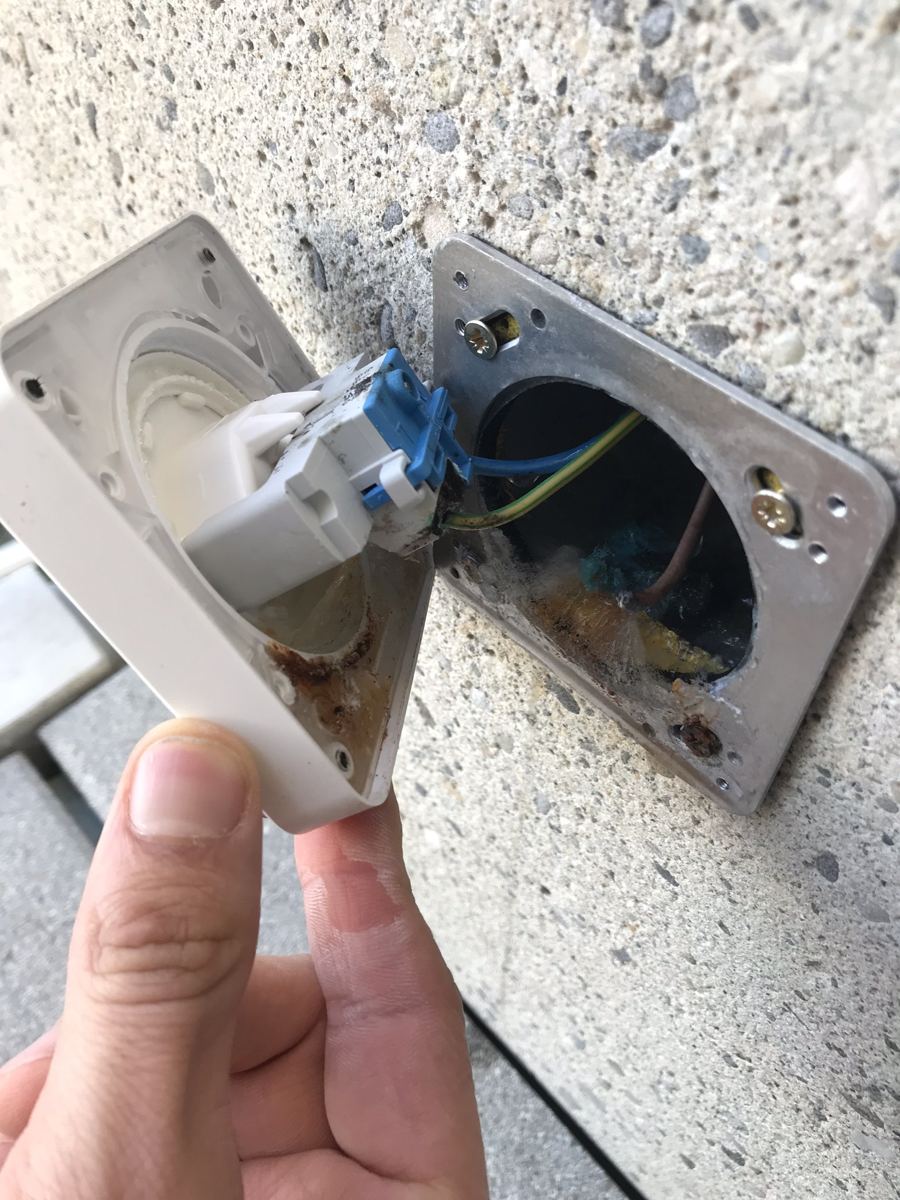
A socket torn off, eaten away by damp
Rust and moisture behind the plate: a defect you cannot see until you open it.
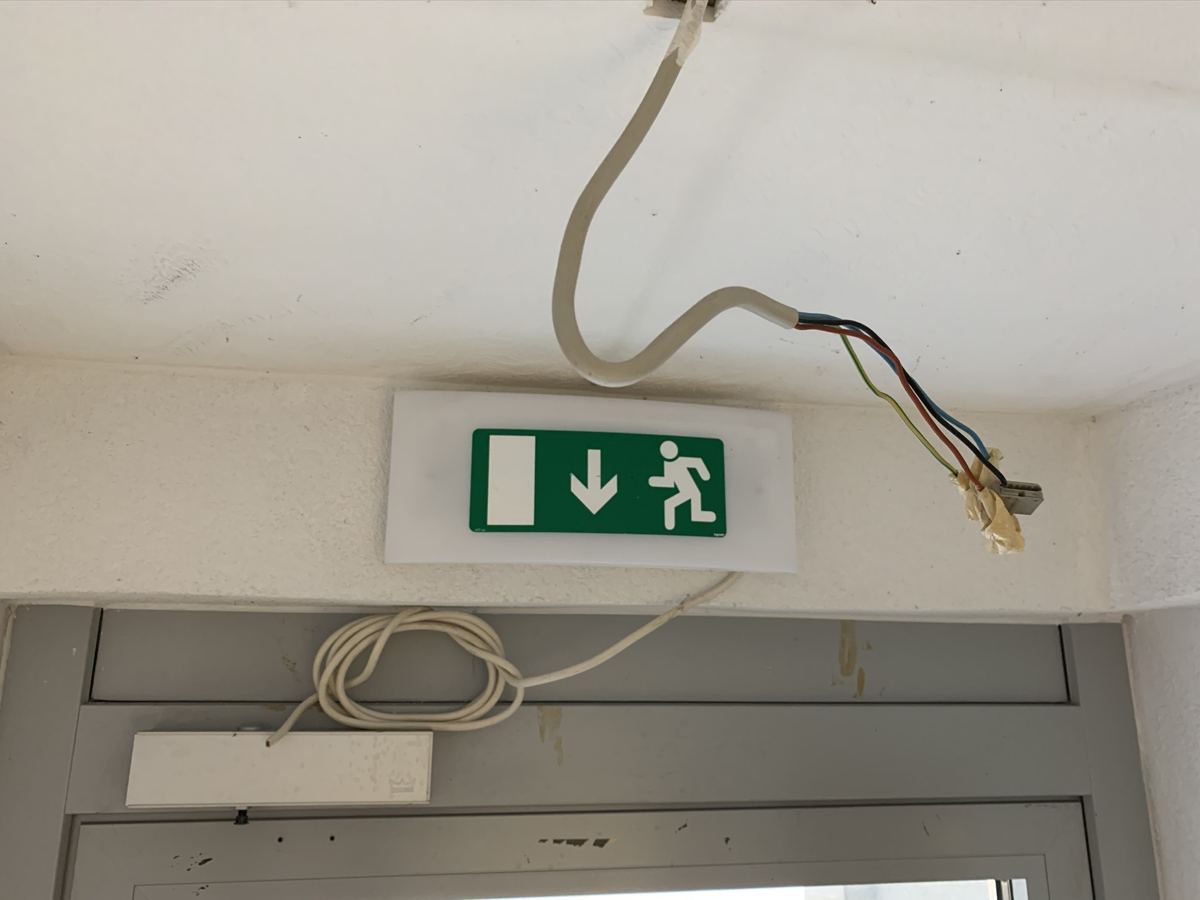
An emergency exit sign with dangling wires
The day it is needed, it will not light up. See our page on emergency lighting.
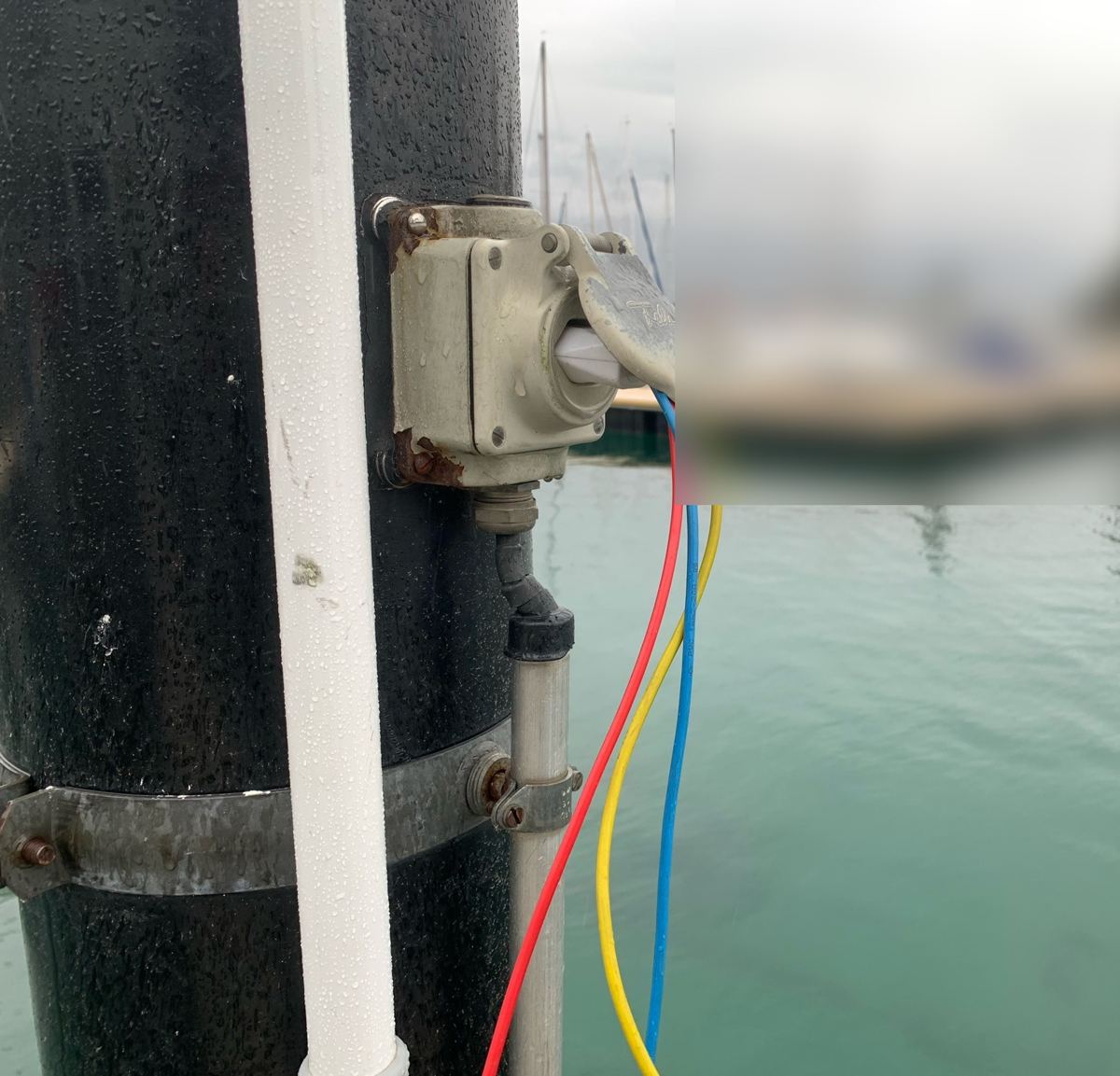
We inspect harbours too
Pontoons, quay pedestals, lighting: OIBT inspections do not stop at buildings. No defect here: these are our test leads, in place during the inspection.